Dr. Saepul Rohman
COVID-19 and Depression: How To Differentiate Between Them
Published:
Tuesday, February 9, 2021
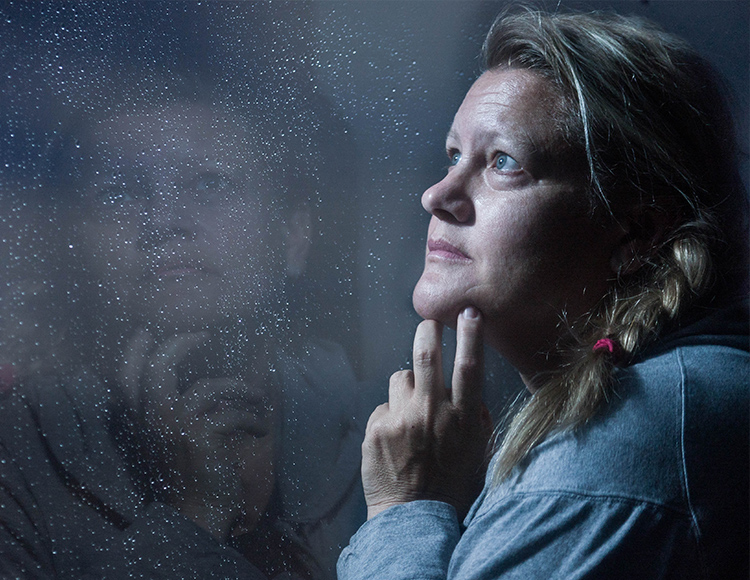
The symptoms of depression can often mimic the symptoms of COVID-19, and in some cases, a diagnosis of one can influence the other. If you’ve been experiencing fatigue, exhaustion, and a general sense of malaise, it might be difficult to discern what’s making you so tired. But it’s important to identify the root cause so you can receive the proper treatment.
What are the symptoms of depression?
Depression in some people may cause melancholy thoughts and make them feel down. Meanwhile, others might experience a variety of symptoms, including:
- Lack of motivation
- Fatigue
- Body aches
- Feeling of guilt
- Sleep disturbances
- Negative thoughts
- Sadness
- Decreased energy
- Decreased concentration
- Isolating yourself from others
- Drug abuse and dependence
- Suicidal thoughts
What are the symptoms of COVID-19?
COVID-19 symptoms can range from mild distress and a flu-like illness to severe pneumonia, while there are some people who are entirely asymptomatic. However, the main symptoms to be aware of are:
- Fever
- Cough
- Shortness of breath or difficulty breathing
- Chills
- Muscle aches
- Headache
- Sore throat
- Runny nose
- New loss of taste or smell
- Nausea or vomiting
- Diarrhea
What is the link between depression and COVID-19?
Coping with the COVID-19 pandemic has not been easy and has put a strain on the mental health of many, including older adults, particularly ones with an already-restricted lifestyle. It has been shown that 20% of COVID-19 patients may develop some form of mental illness, while the stress and anxiety brought on by the pandemic can exacerbate a previous mental health diagnosis. If you’ve been ill with COVID-19, you might be especially worried about your health outcomes, transmitting it to others, self-isolation and the management of the disease, which can increase the risk for depressive symptoms.
The symptom common to both depression and COVID-19 is excessive fatigue. To understand what is making you tired, check for the other signs of either ailment because multiple symptoms will be indicative of one illness over the other. The duration of the fatigue is also important. Typically, symptoms of depression remain for at least two weeks but should subside sooner if they are due to COVID-19.
What can I do for depression?
If you’re experiencing numerous symptoms of depression, such as the ones mentioned above, on a daily basis for a period of two weeks or longer, see your doctor to discuss your situation. Whether you’ve experienced depression in the past, it was brought about by a COVID-19 diagnosis, or it’s due to the isolation and anxiety that can accompany a pandemic, know that you are not alone and it is important to seek the help you need. To manage your condition during this time, telehealth services are especially convenient so you can avoid visits to the doctor’s office and receive care right over the phone.
In addition, follow these general tips to help you prioritize your mental health and well-being:
Whenever you feel depressed or down, indulge in an activity that takes your mind away from your thoughts.
- Try writing, cooking, dancing, listening to music, yoga, painting, etc.
- Exercise. Being active energizes the body and produces feel-good endorphins. It doesn’t have to be strenuous; it can simply be a walk.
- Practice focused deep breathing whenever anxiety or overwhelm set in.
- Laugh as much as possible. Watch funny movies, clips, or anything else that makes you smile.
- Learn to work around any COVID-19-related restrictions and set up a new routine.
- Make a habit of expressing gratitude. Acknowledge the things that you have been blessed with.
- Spend time with your family, friends, or pets.
- Connect with others over the phone or via video chat.
- Call a support hotline if the depression feels too heavy to bear on your own.
How can we help you?
At DocRoad, we believe that everyone should receive the care they need to live the healthy life they deserve, which is why we are opened a new door to chronic condition management. We offer simple and convenient doctor’s appointments right from your pocketable clinic called PocketDR.
Our expert and empathetic medical specialists provide outcome-focused health services, including scheduled video appointments with our PocketDR device, customized care plans, medication refills, and continued remote monitoring for older adults with chronic conditions.
Call us today for a consultation and see how we can help you manage your depression with comprehensive and compassionate care received right from the comfort of home.